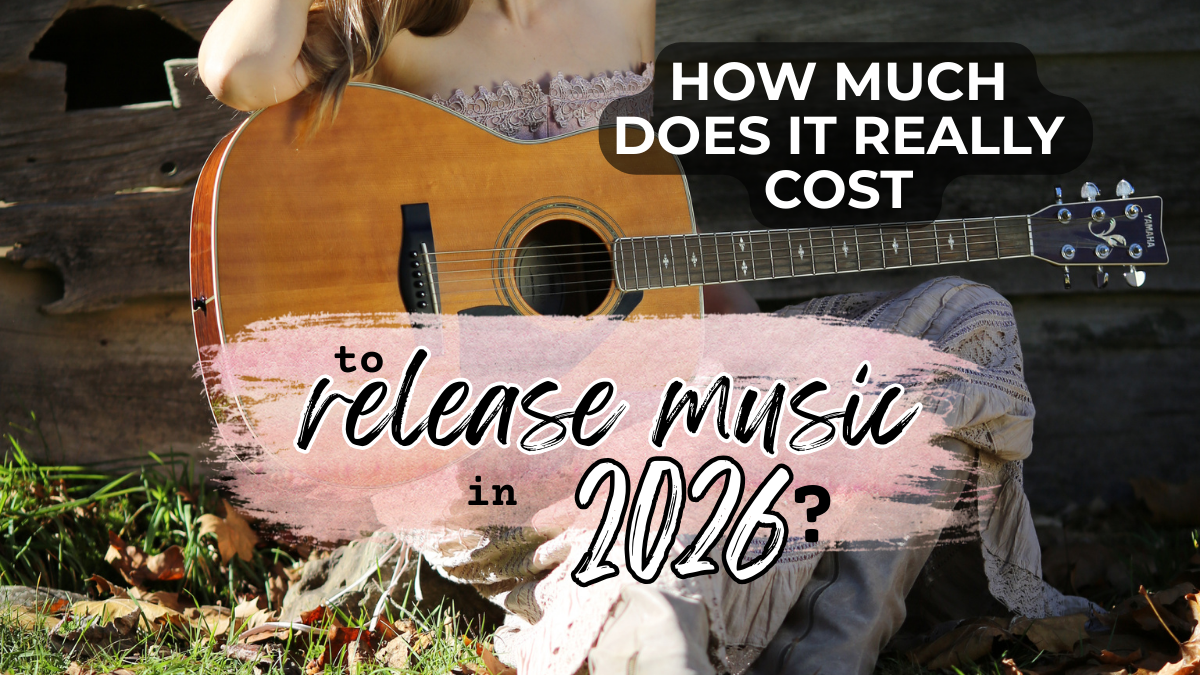
If you’re an independent artist wondering how much it actually costs to release a song in today’s music economy — beyond just uploading it to Spotify — this guide breaks down the real numbers, hidden fees, and smart budgeting strategies for 2026.
So How Much WILL A SINGLE COST?
Releasing music independently has never been more accessible. Digital distribution platforms, affordable home recording tools, and direct-to-fan marketing make it possible for artists to launch music without major-label backing. But accessibility doesn’t mean free — and many artists underestimate what a proper release truly costs.
When you factor in copyright protection, publishing setup, distribution, DJ servicing platforms, promotion tools, and administrative fees, the total investment can vary widely depending on how prepared you already are.
In this post, we’ll walk through:
- The true cost of releasing a single independently in 2026
- Which expenses are one-time setup investments versus recurring
- How your second and third releases become significantly more affordable
- How to avoid surprise costs that derail momentum
Whether you’re preparing your very first release or refining your long-term release strategy, this breakdown will help you budget realistically and protect your music as intellectual property.
Click here for my FREE Release Budget Spreadsheet!
Why Understanding Indie Music Release Costs Matters
Too many independent artists focus solely on production costs — recording, mixing, and mastering — while overlooking the business infrastructure that allows music to generate income legally and efficiently.
If you skip essential setup steps, you may:
- Lose royalty revenue you didn’t know you were entitled to
- Delay playlist placement or radio servicing opportunities
- Encounter licensing or copyright disputes
- Create administrative headaches that compound with each release
Treating your music as a business doesn’t remove the art — it protects it.
Copyright Registration and Licensing Fees
Every original song should be registered with the U.S. Copyright Office (or your country’s equivalent). Copyright establishes legal ownership and gives you the ability to enforce your rights if your work is infringed.
Copyright Registration
- Online filing typically ranges from $65–$85 per song.
- Group registrations may slightly reduce cost for multiple works filed together.
This is a one-time fee per composition and recording.
Licensing Costs for Covers or Samples
If your single uses material you did not write or record, you’ll need proper licensing before release.
- Mechanical license (composition): Approximately $0.09–$0.12 per copy sold or streamed equivalent.
- Master use license: Negotiated directly with the rights holder — costs vary significantly.
Failing to license properly can result in takedowns, penalties, or legal action.
Music Distribution Costs and ISRC Codes
To distribute your music to Spotify, Apple Music, Amazon Music, TikTok, and other platforms, you’ll need a digital distributor.
Typical Distribution Costs
- Subscription-based distributors average $14.99–$30 annually.
- Most services include:
- ISRC codes (unique identifiers for your recording)
- UPC barcodes
- Global platform delivery
- Basic royalty reporting
ISRC codes ensure accurate tracking and royalty attribution across platforms.
Performance Rights Organization (PRO) Registration
A PRO collects royalties when your song is streamed, broadcast, or performed publicly.
In the U.S., artists affiliate with organizations such as ASCAP, BMI, or SESAC.
- Writer registration is typically free.
- Establishing your own Publishing company with, for example, BMI, is a one-time fee of $150 but pays off in the longs run. (Without it, you will only receive half of what you deserve.)
- EIN registration: free
Registering your works ensures you receive performance royalties instead of losing them to unclaimed pools.
DJ Hosting Platforms and Radio Servicing
Artists pursuing club, radio, or DJ exposure often use third-party platforms to deliver music to curators and tastemakers.
Common DJ Platforms (for one song)
- Airplay Direct: ~$0–$149 annually
- Get It Played: ~$20-$100 per campaign
These platforms are optional but extremely valuable depending on your genre and promotional goals.
Metadata, Barcodes, and Rights Administration Tools
Most distributors provide barcodes and metadata services, but some artists use additional tools to manage catalogs, pitching, or analytics.
Optional but Strategic Expenses
These aren’t mandatory, but they elevate professionalism and visibility.
- Email marketing platforms: $0 (I use Kit-Newsletter, free up to 10k subscribers)
- Advertising on Bluegrass Today (or genre similar publications) $499-$3000+
- Social media advertising: Variable
Think of these as scalable investments rather than fixed obligations.
As some of you might know, I’ve been a team member of Bluegrass Today as Executive Marketing Manager for over 10 years now and I can honestly say that investing in an artist campaign strategically is the biggest factor in music launching significantly, right out of the gate, or struggling.
First Single vs. Future Singles: Cost Comparison
Estimated Cost: First Independent Single
| Category | Estimated Cost |
|---|---|
| Copyright registration | $65 |
| Licensing (if applicable) | $0–$200+ |
| Distribution subscription | $23–$30 |
| PRO registration | $0 |
| Publishing company setup | $150 |
| DJ servicing platforms | $0–$299 |
| Promotional tools | $0–$1000 |
| Estimated Total | $250–$1,500+ |
Most first-time independent artists spend between $250–$1,200 for a well-protected, professional release.
Estimated Cost: Subsequent Singles
| Category | Estimated Cost |
|---|---|
| Copyright registration | $65 |
| Licensing (if applicable) | $0–$200+ |
| Distribution | $0 (already covered) |
| Publishing & PRO | $0 (already set up) |
| DJ servicing platforms | $20–$100 (Annually:free one song only) |
| Promotion tools | $0–$1000 |
| Estimated Total | $85–$1,300+ |
Once your infrastructure exists, each release becomes more efficient and affordable.
Your first release builds your business infrastructure. Every release after that becomes cheaper, faster, and more profitable.
A Sustainable Approach to Independent Music Releases
The biggest shift for modern artists is understanding that your first release builds the foundation — your next releases compound on that investment.
Instead of reacting to expenses as they appear, proactive budgeting allows you to:
- Scale releases confidently
- Maximize royalty collection
- Maintain consistency without burnout
- Protect your creative assets
Need More info?
If you’d like a structured way to map your release timelines, budgets, and promotional workflows, I’ve built a step-by-step framework that many independent artists use to bring clarity to the release process. The Indie Release Roadmap serves as a practical companion for organizing every phase of a launch — from planning to distribution to promotion — without overwhelm.
👉 The Indie Release Roadmap