
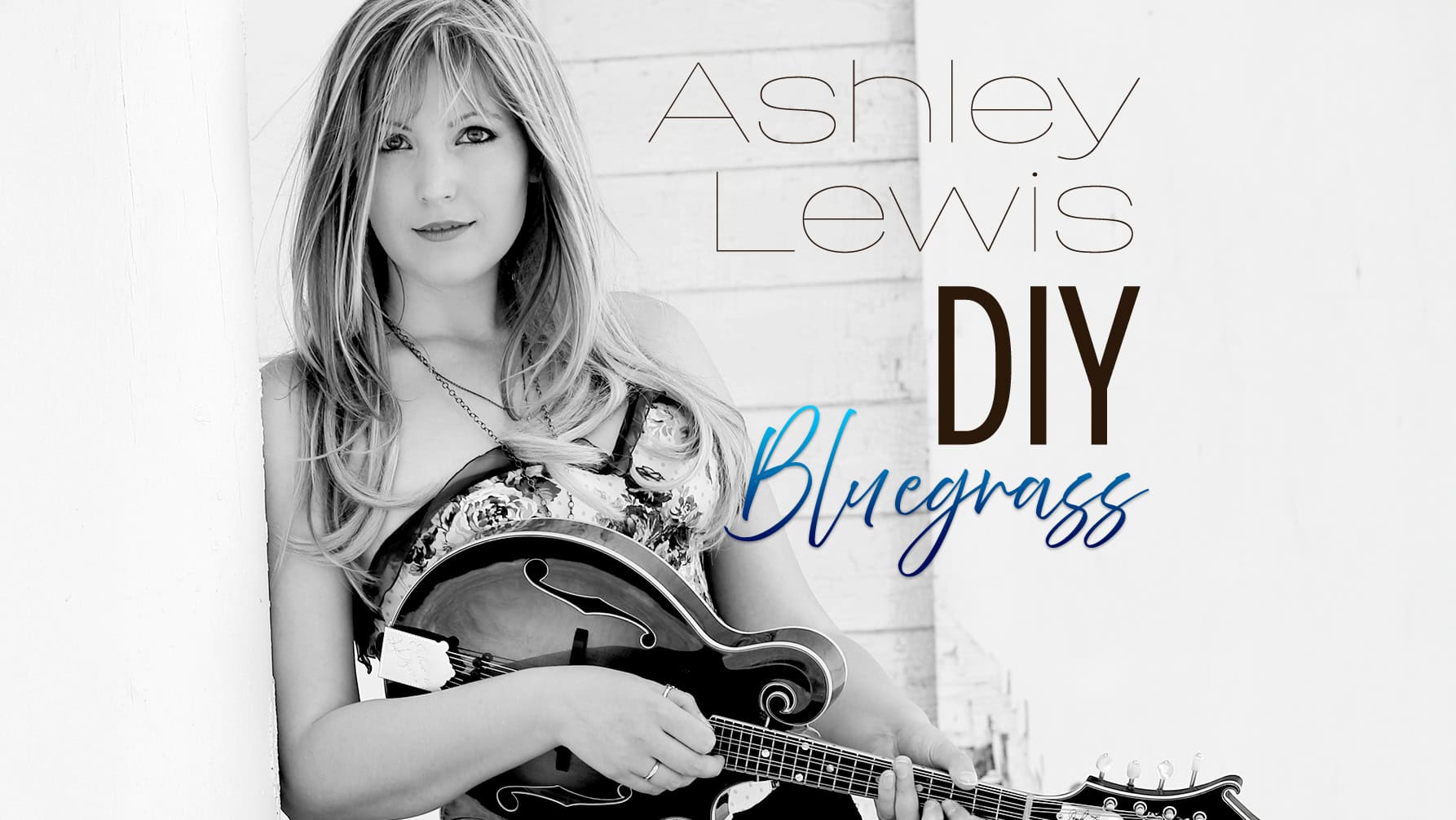
DIY Bluegrass: How to Build a Setlist That Wins a Crowd
This article originally appeared on Bluegrass Today and has been adapted and expanded for ashleylewis.net.
You can be the best picker on stage and still lose a room in the first five minutes.
You can have a great band and solid songs, but the set just kind of… drifts. No pacing, no intention, no sense of where it’s going. By the time you find your groove, the crowd has already decided how much attention they’re giving—and maybe they’re heading for a bathroom break instead.
A set list isn’t just a list of songs—it’s a strategy. And in a 30-minute set, every decision matters more than you think.
Know Your Time (And Don’t Overpack It)
Most bluegrass songs land somewhere around 3½ to 4 minutes.
That means in a 30-minute festival-style set, you’re realistically looking at:
- 7–9 songs
- One encore ready
Once you factor in:
- Band introductions
- A quick thank-you
- Natural transitions
You’re already right at time.
Many artists try to squeeze in one more song, and that’s where things start to feel rushed. Tempos creep up, transitions get sloppy, and the set loses its shape. More than that, you risk putting the next band behind schedule—creating stress for the promoter and a headache for the band that follows.
Be courteous. It matters more than people realize, and folks in this industry remember it.
(If you’re building your career independently, I’ve put together resources in my new Artist Toolbox with the exact tools, platforms, and services I personally use behind the scenes.)
Start Strong (No Talking for the First Two Songs)
You don’t need to introduce yourself right away. You need to prove something first.
Your first two songs should:
- Be tight and confident
- Sit comfortably in your vocal range
- Have strong rhythm and drive
This is where the audience decides if they’re leaning in… or tuning you out.
That Second Song: Hit Them with a Bluegrass Standard
No pause between the first and second songs. Keep it rolling.
By the second song, a new-to-you audience is still deciding if they like your sound. Connecting with a familiar standard creates a shared thread—and that familiarity can pull people in faster than anything else.
Introduce Yourselves Early—But Keep It Tight
After your second song, take a quick moment to:
- Welcome the crowd
- Introduce the band
This isn’t the time for long stories or full bios. A quick, confident introduction goes a long way.
Then most importantly—come back in strong.
Your third song should hit just as hard as your first two. That’s what keeps the momentum from slipping.
A simple trick: end your introductions with the person who kicks off a hot instrumental. It creates a natural transition and keeps things moving without dead space.
Build the Set in Waves
A great set doesn’t feel flat—it moves.
Many artists either stack all their fast songs together or drift into too many mid-tempo tunes in a row. Either way, the energy gets lost.
Instead, think in waves:
Drive → mid-tempo → emotional → build back up
If everything is fast, nothing feels fast.
If everything is slow, you lose the room.
Place your originals, emotional songs, or edgier material in the middle—that’s where the audience is settled in enough to really listen.
This kind of intentional planning is something I talk about a lot, especially when it comes to releasing music and building momentum around your shows. If you want to go deeper, my Indie Release Roadmap walks through how to take a song all the way from idea to audience.
Place Your Strongest Song Before the End
Most artists save their best song for last—but often, the most memorable moment in your set happens just before the end.
Try placing your strongest, most crowd-winning song about 75–80% through your set. That’s where you capture attention at its peak and give the crowd something to carry with them.
Don’t Skip the Thank-Yous (It Matters More Than You Think)
Near the end of your set, take a moment to:
- Thank the audience
- Acknowledge the backline staff, promoter, and sound crew
- Invite people to connect with you after the show
It doesn’t need to be long, but it does need to be intentional.
This is where casual listeners turn into real fans—and where relationships with venues and promoters are quietly built.
Then Close with Something High-Energy and Decisive
You want to leave them energized—not winding down.
A fun closer—maybe even a recognizable cover from another genre—can give the crowd something memorable to latch onto and send them off on a high.
Always Be Ready for an Encore
Even in a short set, you should always have one more song ready.
Not something you have to think about on stage. Not something you debate.
A planned encore:
- Keeps you from scrambling
- Lets you end on a high note
- Shows you came prepared
And if you’ve done your job right…
they’ll ask for it.
Transitions Are the Hidden Factor
One of the biggest things that separates a good set from a great one isn’t the songs—it’s what happens between them.
Dead space kills momentum, so keep things moving:
- Know who’s starting each song
- Keep talking short and purposeful
- Move confidently from one moment to the next
Clean transitions make a set feel professional, even more than flashy playing.
Artist Resource: Set List Planner
If you want a simple way to map your next set, here’s a quick planner you can copy and paste before your next show:
SET: 30 MINUTES | 8 SONGS + ENCORE
1. (Strong Start) KEY ___ __________________________
2. (BG Standard) KEY ___ __________________________
QUICK WELCOME/BAND INTRO
3. (Instrumental) KEY ___ __________________________
4. (Original) KEY ___ __________________________
5. (Heartbreaker) KEY ___ __________________________
6. (Edgy) KEY ___ __________________________
7. (Best Song) KEY ___ __________________________
THANK YOU + CTA
8. (Fun Closer) KEY ___ __________________________
9. ENCORE KEY ___ __________________________
Final Thought
A great set list doesn’t happen by accident; it’s built with intention, shaped by experience, and refined every time you step on stage.
Because at the end of the day, it’s not just about the songs you play—it’s about how you make people feel while you’re playing them.
And if you want more practical, step-by-step guidance like this, you can explore more in my DIY Bluegrass series, where I break down the real-world side of building a career in bluegrass.