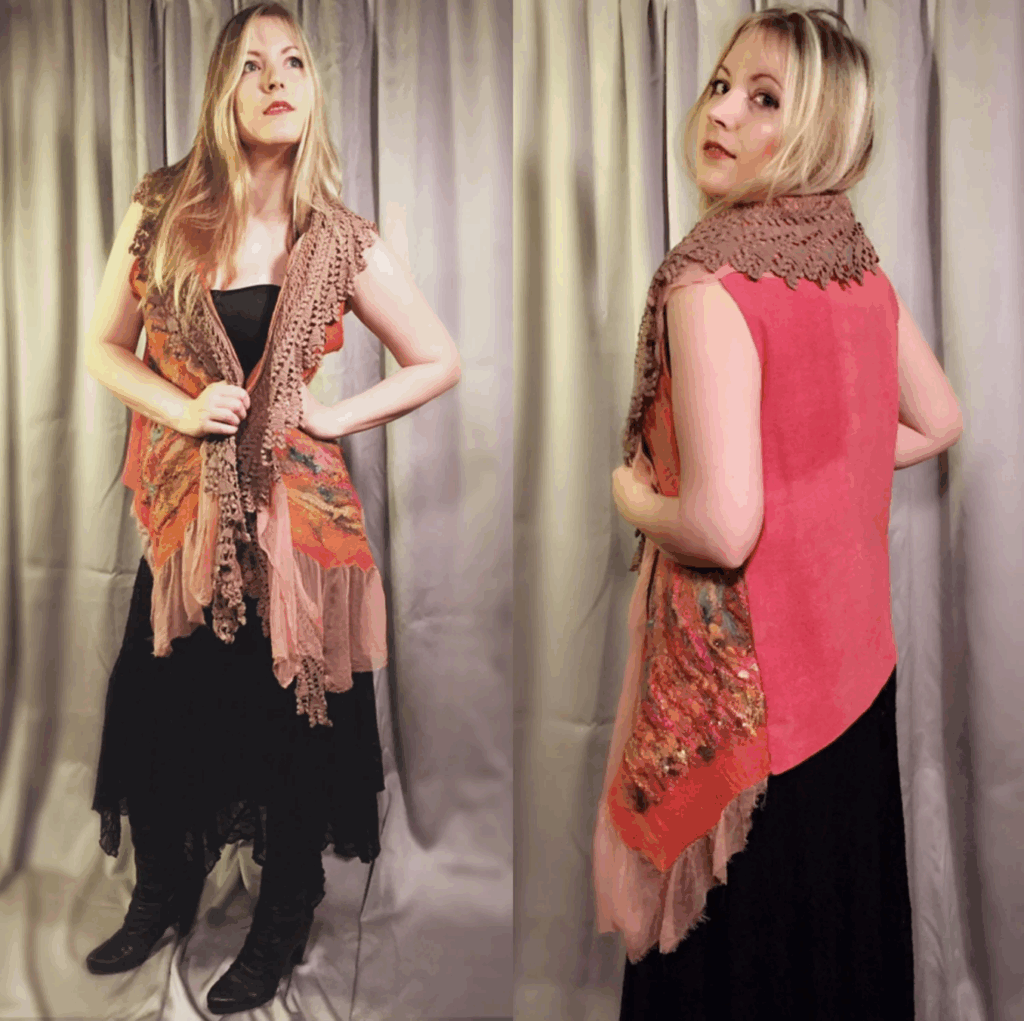
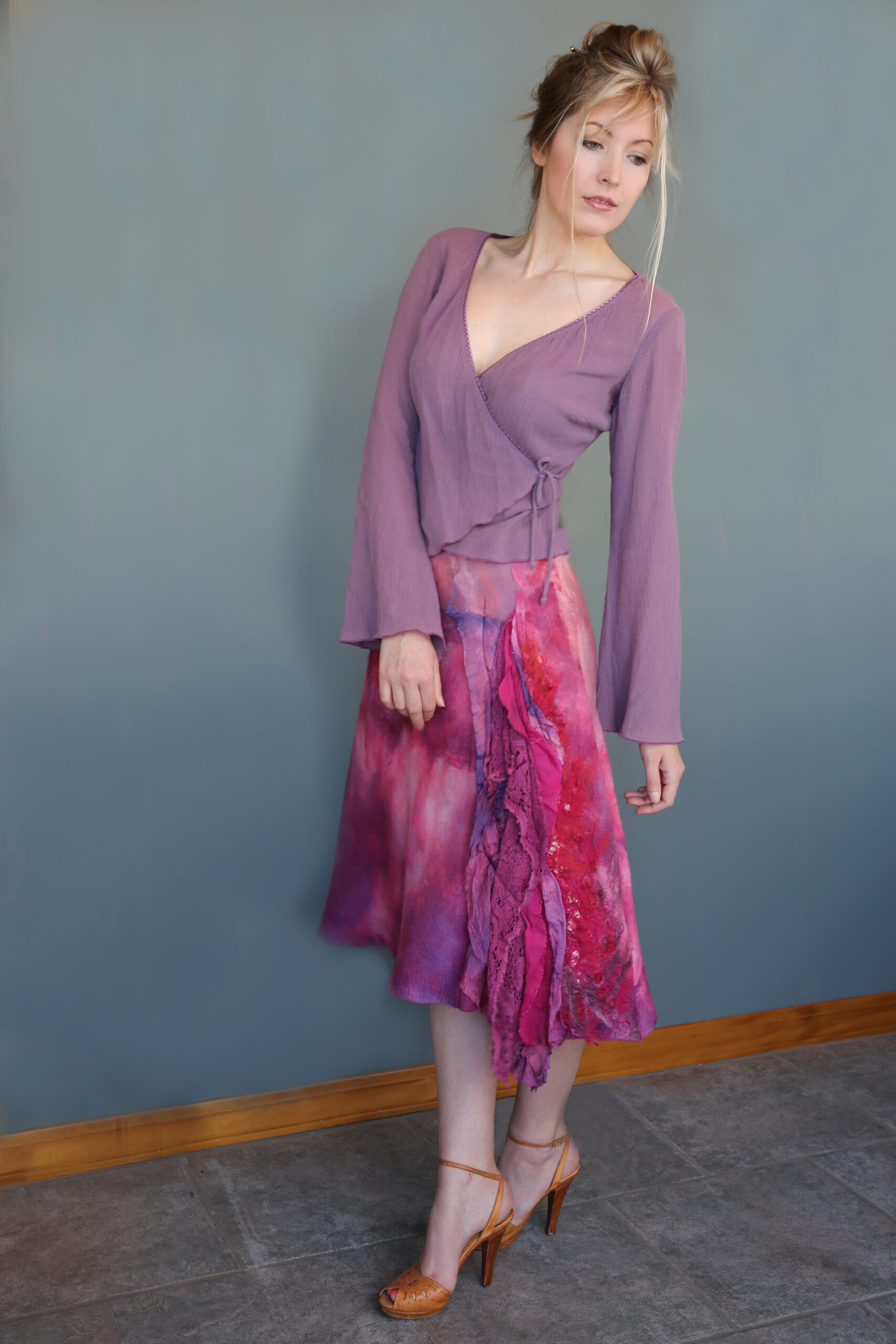
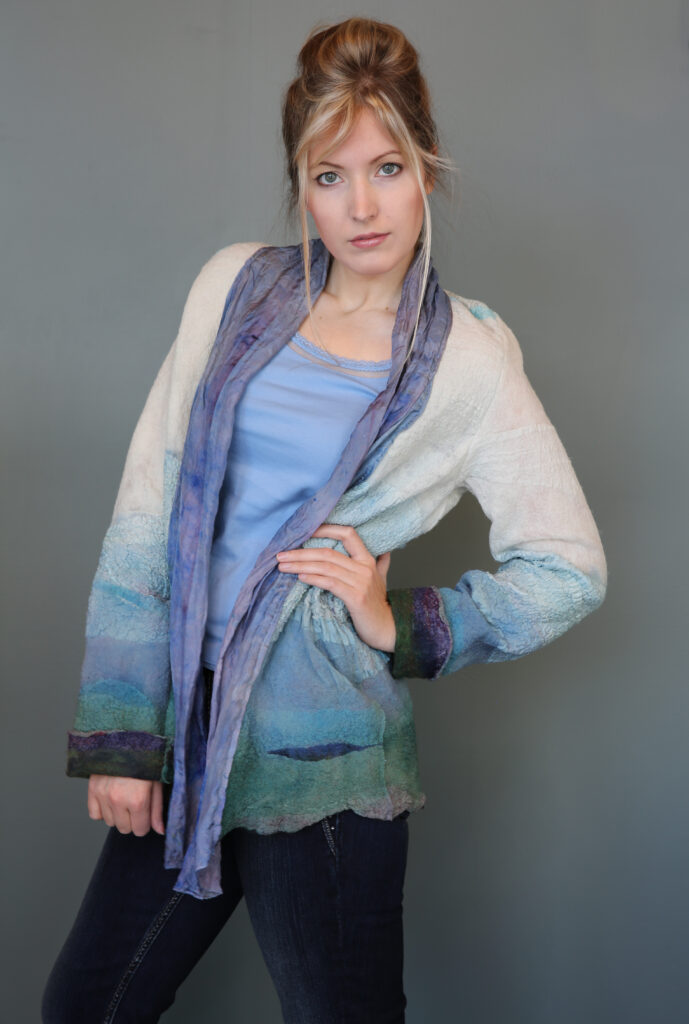
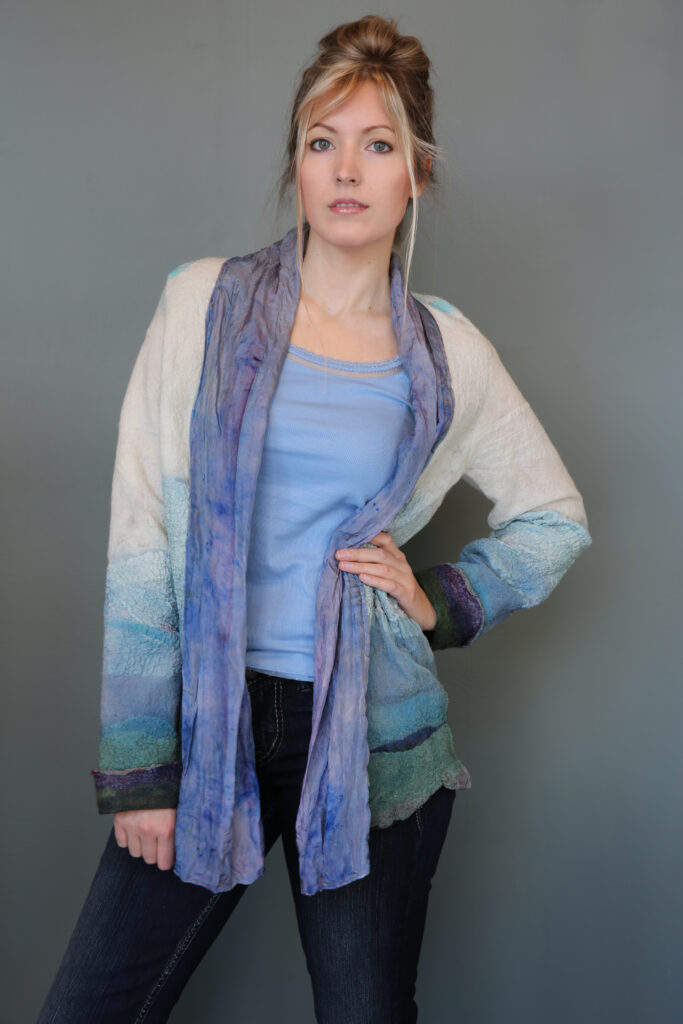
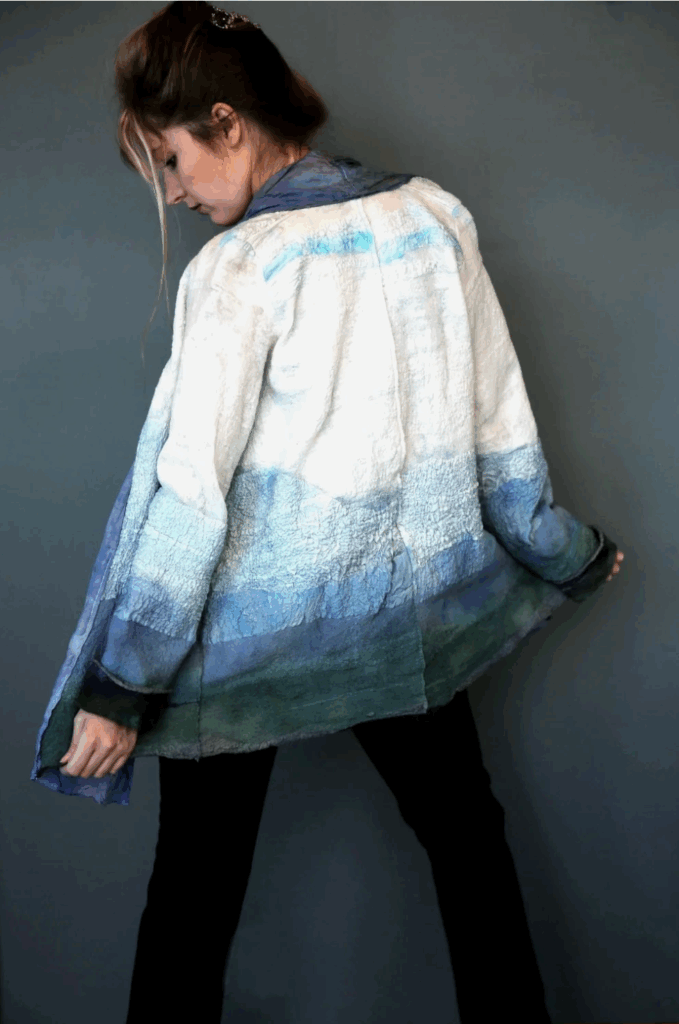
I’ve always believed that clothing has the power to tell a story. Some pieces carry memories, others carry emotions—but the most special ones carry the hand of the maker. I’ve had the chance to step into some of those stories—literally—by modeling pieces created by my magical sister-in-law, fiber artist, Natasha Lehrer Lewis.
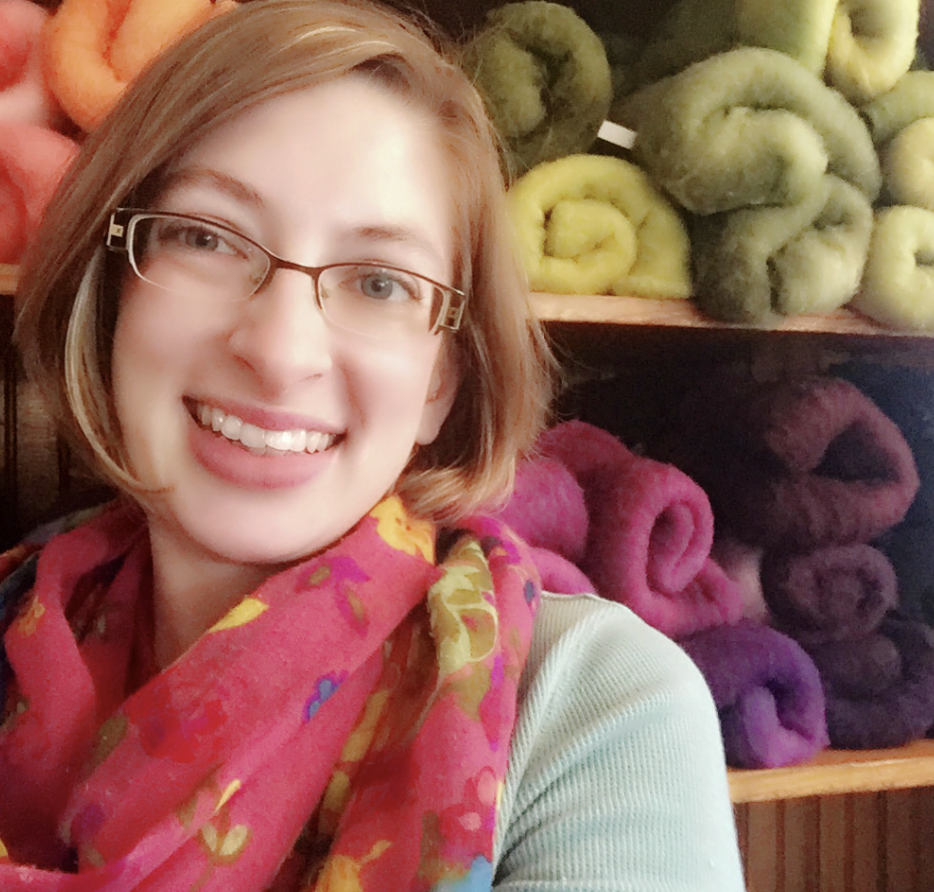
When you slip into a piece of her wearable art, you’re not just wearing a dress—you’re wearing a story. A story rooted in the land, nurtured on a family farm, spun from the wool of sheep her and my brother raise themselves, and carefully shaped into bold, one-of-a-kind designs that merge the worlds of agriculture, creativity, and education.
Natasha’s work carries her signature phrase:
“Working with a passion for connecting the worlds of fiber art, agriculture and education.” It’s more than a motto—it’s a mission.
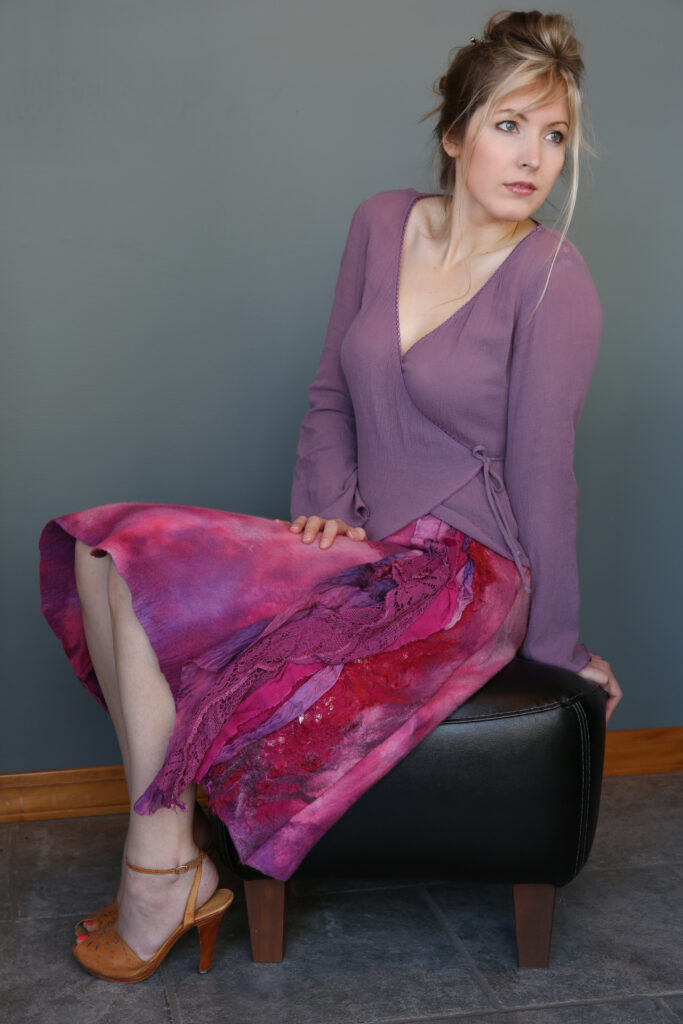
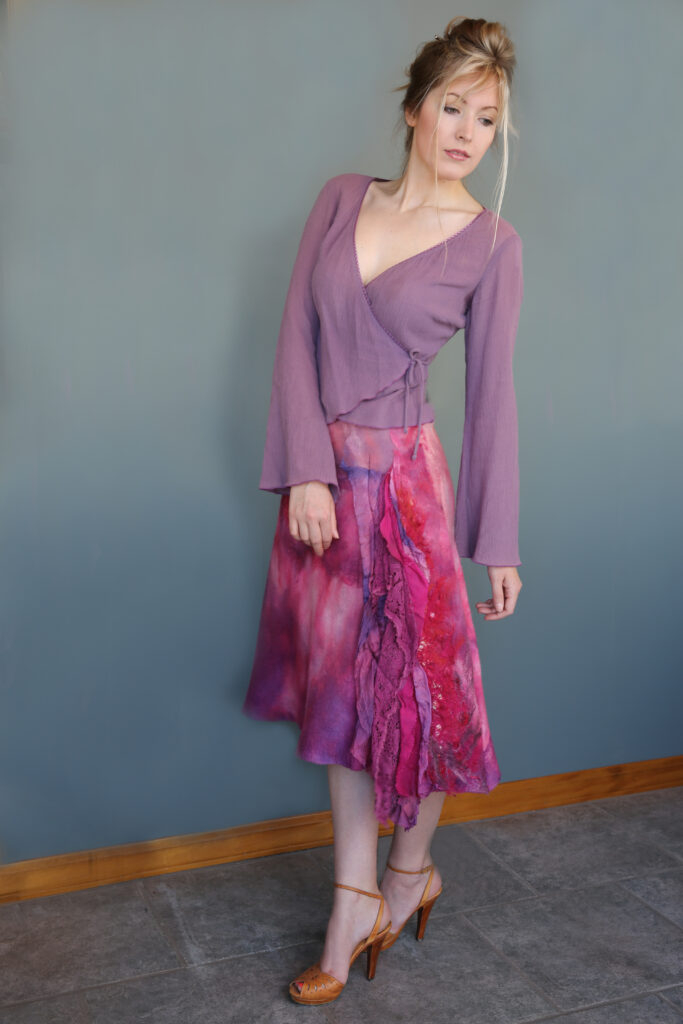
In today’s fast-paced, mass-produced fashion world, Natasha offers something timeless: slow fashion crafted from natural fibers, dyed by hand, and stitched together with deep intention. It’s wearable art that feels alive with texture and movement.
An outfit That Started in the Pasture
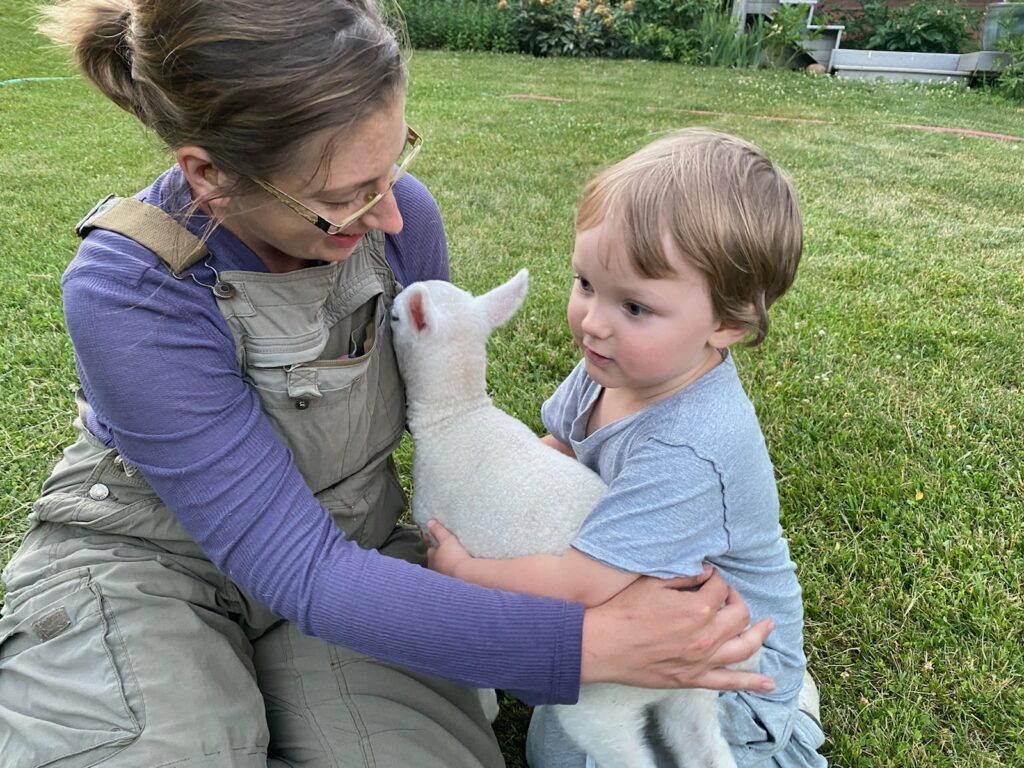
The pieces I modeled began long before it ever made its way onto my shoulders. It started in the pasture, where the core of Natasha’s art starts with her and my brother Jonathan’s flock of sheep, quietly grazing beside a creek. These animals aren’t just livestock; they are collaborators in her creative journey. By raising theirr own sheep, Natasha ensures that every piece she makes begins with ethical, sustainable fiber.
The wool is:
- Shorn in small batches with care for animal well-being
- Washed and carded to preserve softness and quality
- Hand-dyed in rich, earthy tones and jewel-like colors
- Felted, spun, or woven into works of art
This farm-to-fashion approach sets her apart in the fiber art world. Her creations are not just clothing—they are part of the land itself.
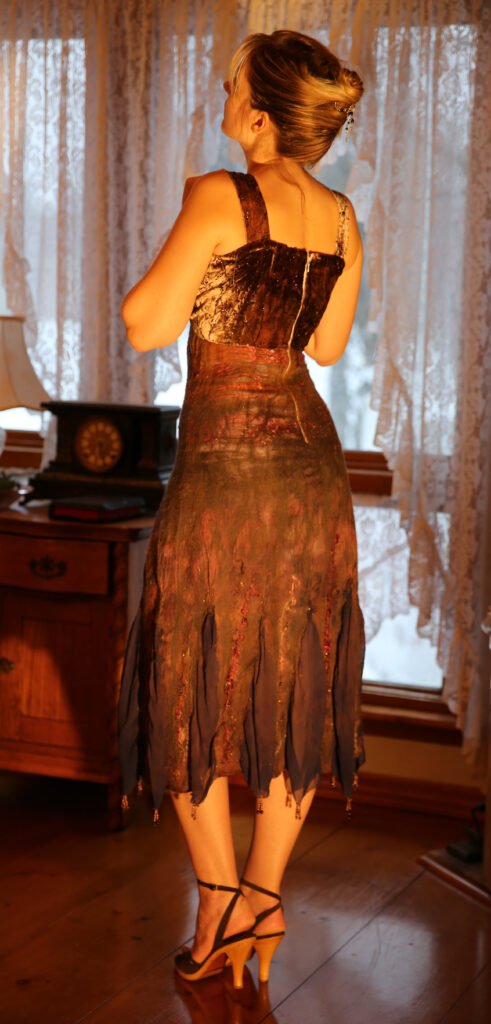
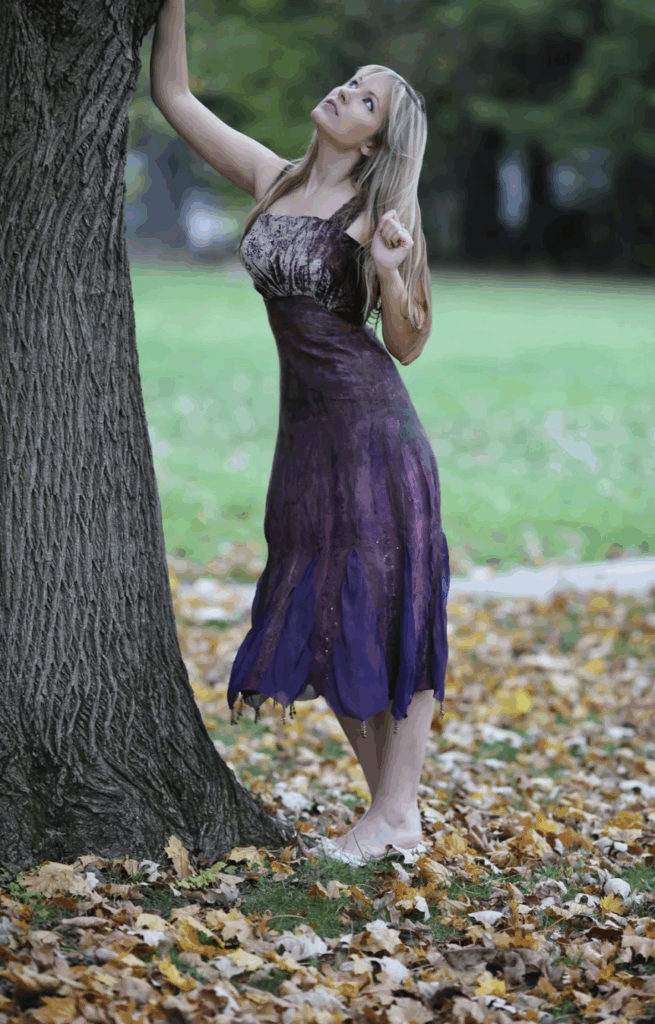
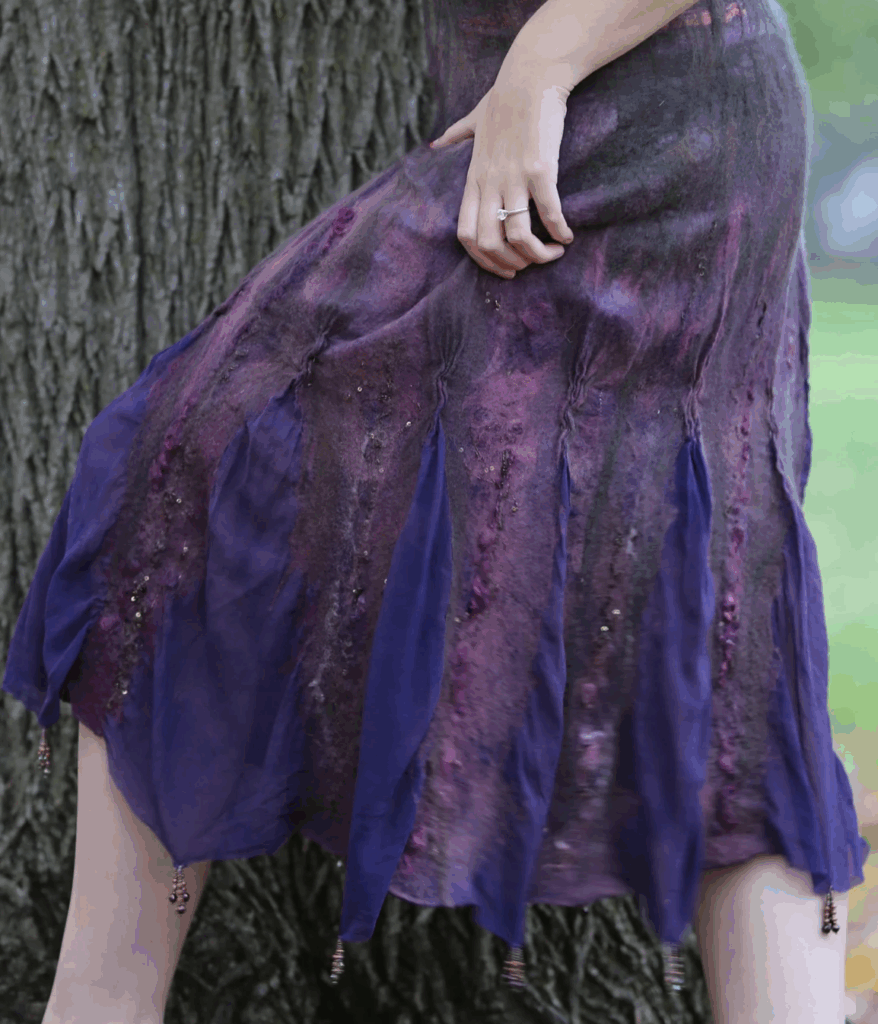
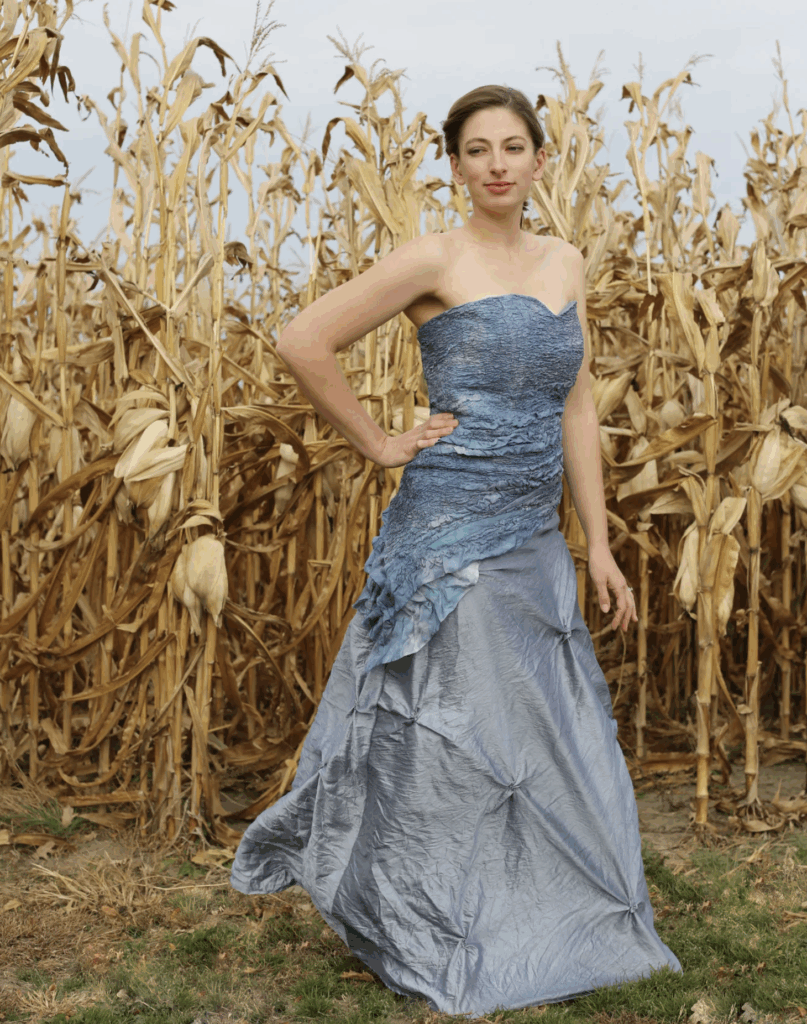
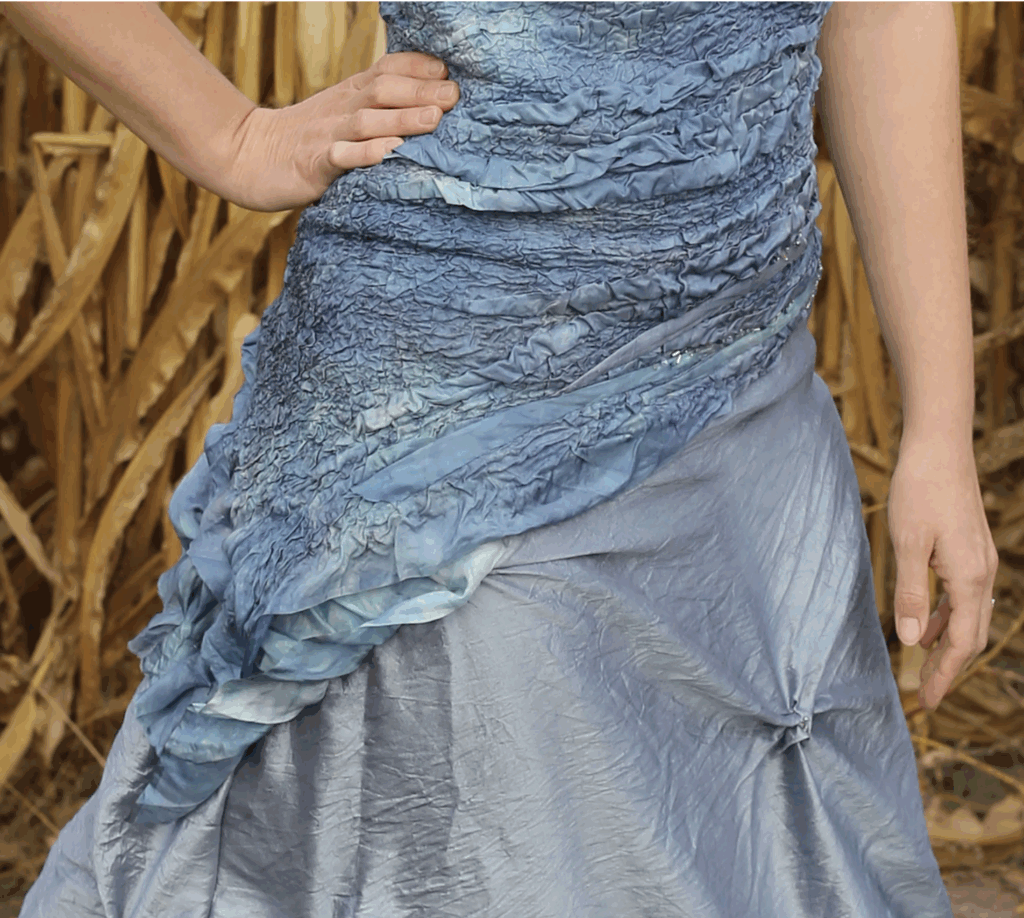
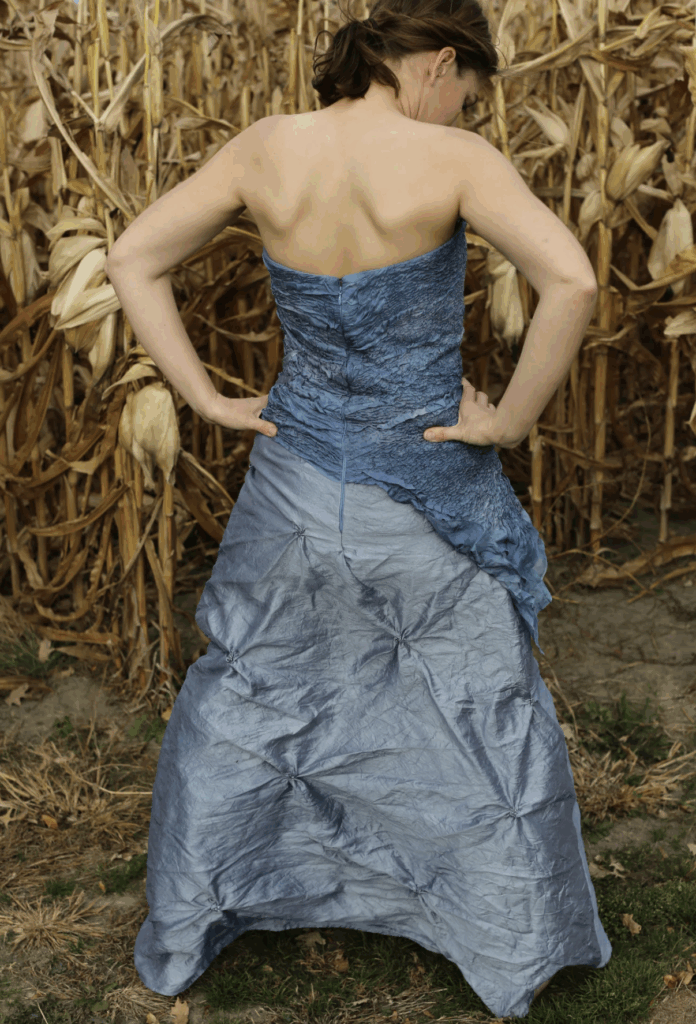
From there, Natasha worked her magic. Using nuno felting, she combined wool with layers of silk chiffon, creating panels that ripple and sway when you move. Tiny beads stitched into the hem catch the light, so when you walk through autumn leaves, the dress almost sparkles.
It’s part farm, part fashion, part fairy tale.
What It’s Like to Wear Fiber Art
I’ve modeled other clothes before, but this was different. Instead of slipping into something mass-produced, I was stepping into a piece of artwork. The fibers felt soft yet strong, the colors shifted with the light, and the way the fabric flowed made me feel like I was part of nature itself.
There’s something empowering about wearing clothing that was made intentionally—clothing that’s not just about looking good, but about carrying a story from pasture to runway.
The Artist Behind the Dress
Natasha has been working with wool for years, and what makes her work so special is that it comes straight from her own farm. She raises her sheep with love, tends her pastures, and then turns that wool into one-of-a-kind creations.
She’s also a teacher, sharing her knowledge with others through workshops and classes. If you’ve ever wanted to learn how to felt, spin, or experiment with natural fibers, Natasha is the kind of person who makes the process approachable and inspiring.
That blend of agriculture, art, and education is what sets her apart. She’s not just a maker—she’s a storyteller, and her medium happens to be wool.
Why Natural Fiber Clothing Matters
Part of why I love Natasha’s work is that it taps into something bigger than fashion. In a world overflowing with polyester and fast fashion, there’s something refreshing about putting on a garment made of natural fiber.
Wool is renewable. Sheep grow more every year. It’s biodegradable, it breathes, and it lasts for decades if you care for it. It’s the original “slow fashion.”
And when that wool comes from someone’s own flock—spun, dyed, and felted into a dress—it feels like the opposite of disposable. It feels like a legacy.
Wearable Art That Tells a Story
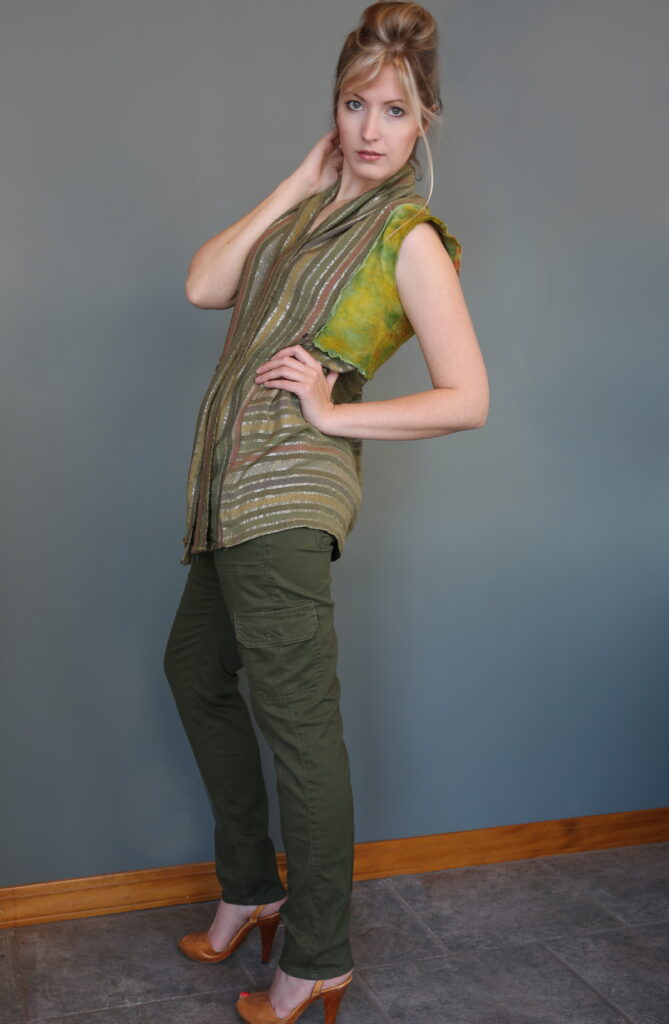
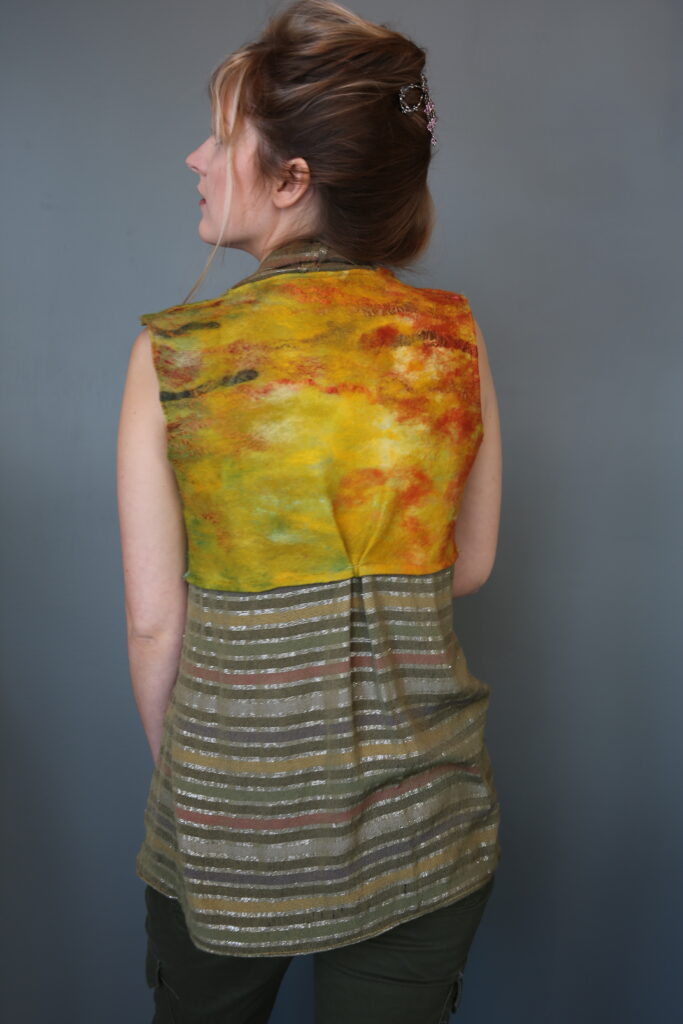
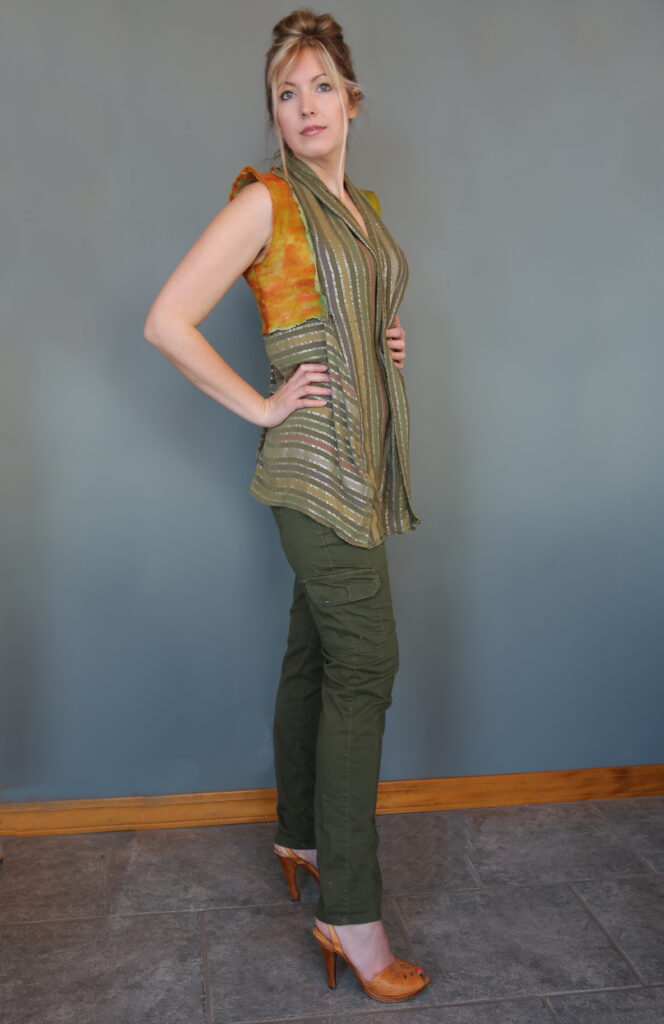
What makes Natasha’s work stand out is her ability to merge utility with artistry. She doesn’t just create garments; she creates wearable sculptures. Each dress, shawl, or vest is alive with texture, movement, and bold design.
When I modeled one of her deep violet and earth-toned dresses, I felt transformed—like I was stepping into another world. The dress combined silk chiffon, nuno-felting, and wool fibers with beads stitched into the hem. It swayed like falling leaves, shimmering in the autumn light.
This is what Natasha does best: bridging nature and fashion. She transforms raw wool into something that feels like a dream.A Family Connection
Of course, part of what makes this special for me is that it’s family. Natasha isn’t just an artist I admire—she’s my sister-in-law. I’ve watched her passion for her sheep, her hands working tirelessly to transform raw fleece into something extraordinary.
Getting to model her creations is more than just fun—it’s a way to share in her story. When I wear one of her dresses, I get to carry that farm-to-fashion journey with me.
It reminds me of the beauty of handmade work, the importance of sustainable art, and the strength of family creativity.
From Pasture to Runway
While Natasha’s sheep graze quietly in the pasture, their wool is destined for more than knitting baskets or farm blankets. Through her skilled hands, it becomes high-fashion art.
This connection between agriculture and art is what makes her story so powerful. Many artists purchase supplies ready-made. Natasha? She begins with grass that growing in her fields. Shearing leads to spinning, which leads to felting, which leads to a garment that could be displayed in a gallery—or worn at a wedding.
That closed loop of creativity is what makes her wearable art so rare. It’s not just handmade; it’s homegrown.
Natasha – The Cornfield Runway Queen
Education Through Fiber
Natasha also shares her knowledge through workshops and teaching. She invites people into the magical world of fiber art, helping them connect to the process of creating from scratch at her Big Rock, IL fiber arts shop, Esther’s Place. Whether it’s a beginner learning to felt soap or an advanced student tackling wearable art, Natasha’s teaching blends skill with storytelling.
Her passion for education ensures that fiber traditions aren’t lost. Instead, they’re reimagined for a modern world that desperately needs reconnection to nature and sustainability.
Why Natural Fiber Matters
There’s a growing movement toward sustainable fashion, and Natasha’s work is ahead of the curve. Natural fibers like wool are:
- Biodegradable, unlike synthetic fabrics that pollute landfills
- Renewable, since sheep grow new fleece every year
- Durable and breathable, making them last longer than fast fashion fabrics
- Timelessly beautiful, with truly original textures
If you’re a lover of bold design, natural fibers, or one-of-a-kind clothing, Natasha’s work is something you’ll want to follow. Her creations are perfect for:
- Collectors of wearable art
- Brides and bridesmaids looking for custom, sustainable dresses
- Lovers of slow fashion and farm-to-fashion stories
- Pinterest dreamers building boards for handmade, eco-friendly inspiration
Every piece is unique, and every piece begins on the farm. That’s the kind of story worth wearing.
You can explore more of Natasha’s work here: natashalehrerlewis.com
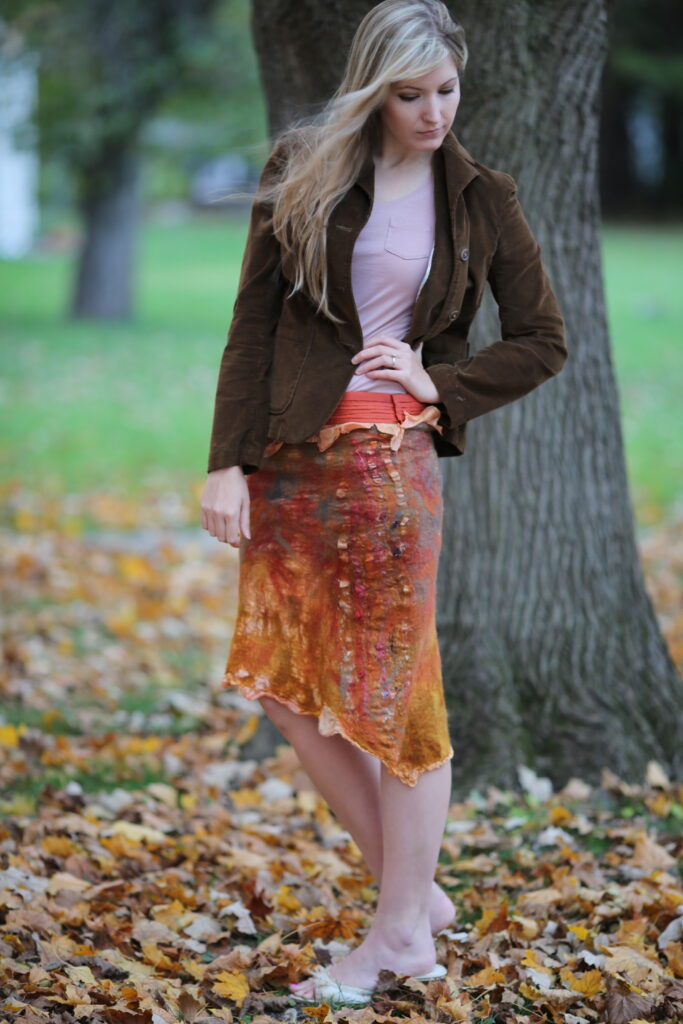
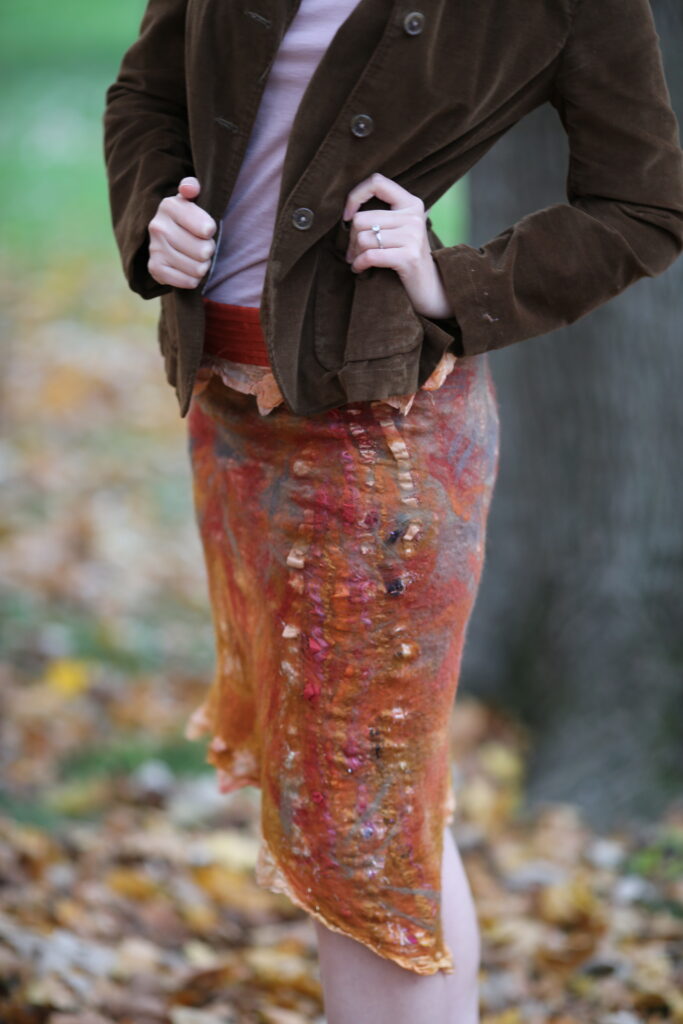
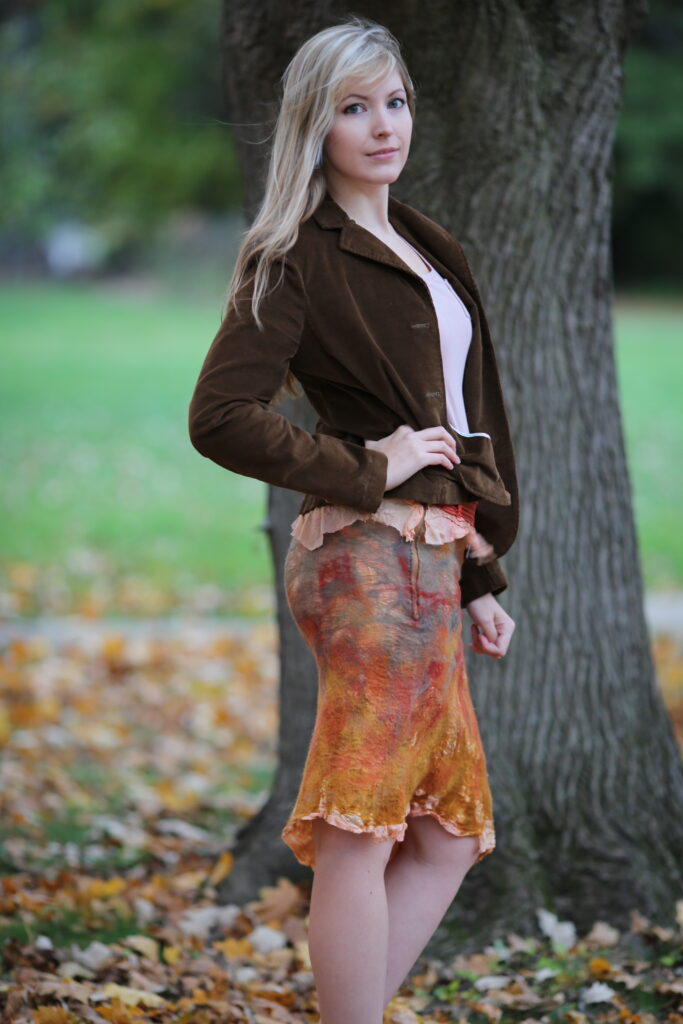
Why You’ll Fall in Love with Natasha’s Fiber Art
If you’re searching for:
- Custom handmade clothing that’s unlike anything in stores
- Wearable art that doubles as a statement piece
- Farm-to-fashion designs rooted in sustainability
- Bold, natural textures that embody slow fashion
…then Natasha’s work is for you.
Her pieces aren’t just clothes. They’re heirlooms, statements, and experiences all in one.
Conclusion: From Wool to Wonder
Natasha Lehrer Lewis is redefining what it means to create clothing. She’s not just a fiber artist—she’s a farmer, designer, and educator weaving together the worlds of agriculture, art, and sustainability.
Her motto, “Working with a passion for connecting the worlds of fiber art, agriculture and education,” shines through every piece she makes.
And when you wear her art, you don’t just wear fashion. You wear a farm, a family, and a future where creativity and sustainability go hand in hand.
👉 Explore more of Natasha’s fiber art here: natashalehrerlewis.com
Writing about this dress—and modeling it—reminds me of why handmade art matters. In a world of fast, fleeting trends, pieces like Natasha’s are timeless. They connect us back to the land, to sustainability, and to the creative heart of a maker.
When I look at the photos, I don’t just see myself in a dress. I see sheep in the pasture. I see dyed wool spread out in Natasha’s studio. I see hands shaping fabric, stitching beads, and crafting something meant to be cherished.
That’s the beauty of fiber art: it reminds us that fashion doesn’t have to be fast to be meaningful. Sometimes, the best stories are the ones that start on a family farm and end up swirling around your ankles in the autumn wind.